
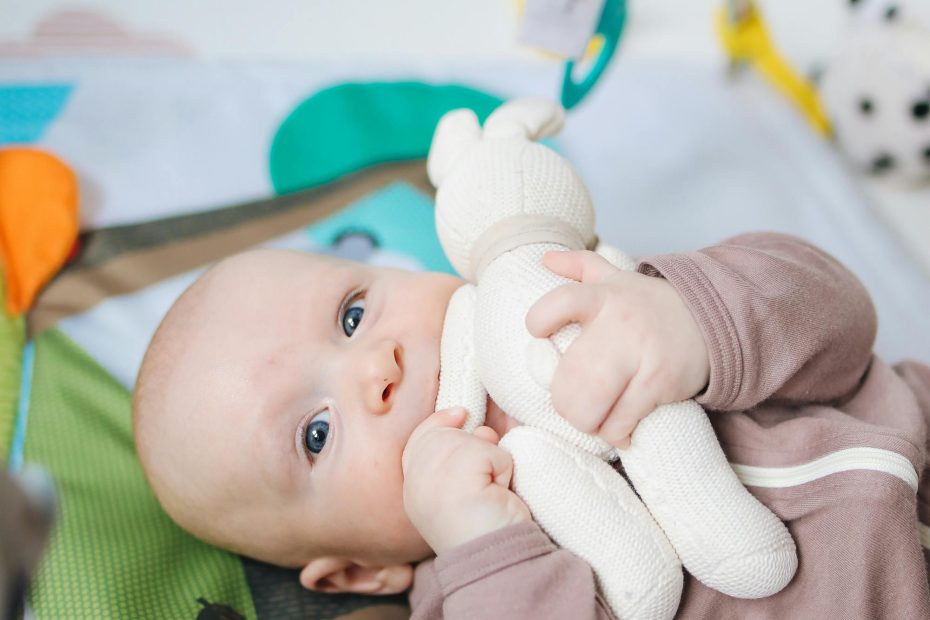
The first time I saw my daughter gnawing on her fist with tears streaming down her cheeks, I felt completely helpless. Teething hit us like a truck at four months, and suddenly our happy baby was miserable, drooling constantly, and refusing to sleep.
If you’re dealing with a teething baby right now, I see you. It’s rough. But here’s the good news: the right teething toys can make a huge difference. Not all teethers are created equal, and knowing what to look for can help you find real relief for your little one.
In this guide, we’ll cover everything you need to know about choosing safe, effective teething toys, plus natural soothing techniques that actually work.

When Does Teething Actually Start?
Most babies start teething between 4 and 7 months, but some start as early as 3 months or as late as 12 months. Every baby is different, and there’s no “right” timeline.
My son got his first tooth at 4 months. My daughter? She was 9 months old before that first little tooth popped through. Both were totally normal.
Signs Your Baby Is Teething
Here’s what to watch for:
- Excessive drooling – We’re talking soak-through-three-bibs-a-day drooling
- Chewing on everything – Hands, toys, your fingers, furniture
- Irritability and fussiness – Your normally happy baby seems uncomfortable
- Swollen, tender gums – You might see a little bump where the tooth is coming in
- Sleep disruption – Teething pain can wake them up at night
- Refusing food – Sometimes eating hurts when gums are sore
One thing to note: teething doesn’t cause fever, diarrhea, or serious illness. If your baby has those symptoms, call your pediatrician—something else is going on.
What Makes a Good Teething Toy?
I’ve bought more teething toys than I care to admit. Some were amazing. Others sat untouched in the toy basket. Here’s what actually matters when choosing teething toys.
Safe Materials Are Non-Negotiable
Your baby is going to chew on this thing for hours. It needs to be:
- BPA-free
- Phthalate-free
- Non-toxic
- Food-grade materials (silicone, natural rubber, untreated wood)
Look for certifications and avoid anything with weird chemical smells. If you’re unsure about a toy’s safety, check out our comprehensive guide on choosing the best baby toys for every age.
Easy to Clean
Teething toys get disgusting. They get dropped on floors, covered in drool, and shoved in mouths all day long. You need toys you can actually clean properly.
Best options:
- Dishwasher-safe silicone teethers
- Solid wood that wipes clean easily
- Rubber teethers without holes or crevices
For detailed cleaning instructions, our guide on how to clean and sanitize baby toys covers everything you need to know.

The Right Size and Shape
Teething toys need to be:
- Easy for little hands to grip – Babies at this age are still developing their grip strength
- Multiple textures – Different surfaces feel good on different parts of the gums
- Not too big or small – Big enough that they can’t choke, small enough they can maneuver it
- Lightweight – So they don’t bonk themselves in the face (yes, this happens)
Cooling Feature (Game Changer)
Cold numbs sore gums and provides real relief. Some of our favorite teethers can go in the fridge (NOT the freezer—that’s too cold and can damage gums).
Best Types of Teething Toys
There are so many types of teething toys out there. Here’s what actually works, based on my experience and recommendations from other parents.
Silicone Teething Rings
These are my go-to recommendation for most parents. Silicone is safe, durable, easy to clean, and feels good on sore gums.
Why they’re great:
- Dishwasher safe
- Can be refrigerated
- Soft enough for sore gums but firm enough to chew
- Come in different textures and shapes
What to get: These silicone teething rings have multiple textures and are refrigerator-safe.
Natural Rubber Teethers
If you prefer natural materials, rubber teethers made from pure rubber are excellent. Just make sure they’re 100% natural rubber with no additives.
Why they’re great:
- Natural, sustainable material
- Soft and flexible
- No synthetic chemicals
What to get: This natural rubber giraffe teether is a classic that babies love.
Wooden Teethers
Untreated hardwood teethers are safe, eco-friendly, and have a different texture that some babies prefer.
Why they’re great:
- Natural material
- Antimicrobial properties
- Firm surface good for back teeth
- Long-lasting
Important: Only use untreated, food-safe wood. Avoid painted or varnished wooden toys.
What to get: This maple wood teething ring is smooth, safe, and naturally antibacterial.
Teething Mittens
For younger babies (3-6 months) who haven’t mastered holding toys yet, teething mittens are brilliant. They strap onto baby’s hand so they can chew without dropping it.
Why they’re great:
- Perfect for babies who can’t hold toys yet
- Stays on their hand (no constant picking up off the floor)
- Multiple textures to chew
What to get: These teething mittens have crinkly sounds and textured surfaces babies love.
Mesh Feeders
These aren’t technically toys, but they’re lifesavers. You put frozen fruit or breast milk ice cubes inside, and baby can gnaw away safely.
Why they’re great:
- Cold provides relief
- No choking hazard
- Introduces new flavors
- Keeps them occupied
What to get: These mesh feeders come in a set with different sizes.
Teething Toys to Avoid
Not everything marketed as a teether is actually safe. Here’s what to skip:
Liquid-Filled Teethers
The FDA warns against these because the liquid inside can leak, and some have been found to contain bacteria or mold. Hard pass.
Amber Teething Necklaces
I know these are popular, but pediatricians and the FDA recommend against them. They’re a strangulation and choking hazard, and there’s no scientific evidence they work.
Frozen Teethers
Refrigerated is good. Frozen is bad. Anything frozen solid can damage delicate gum tissue. Stick with chilled, not frozen.
Homemade Frozen Washcloths
Some people recommend freezing wet washcloths, but again—too cold. A damp, chilled washcloth is fine, but not frozen solid.
Natural Teething Relief Methods
Beyond teething toys, here are other safe ways to provide relief:
Gum Massage
Wash your hands thoroughly, then gently rub your baby’s gums with your finger. The counter-pressure can feel really good.
Cold Foods (If Baby Is Eating Solids)
Chilled applesauce, yogurt, or mashed banana can be soothing. For babies 6+ months who are eating solids.
Chilled Spoon
Put a metal spoon in the fridge for a few minutes, then let baby gnaw on it (supervised, of course).
Distraction
Sometimes the best medicine is just getting their mind off it. Go outside, play a game, sing songs—anything to break the fussy cycle.
When to Talk to Your Pediatrician
Call your doctor if:
- Your baby has a fever over 100.4°F
- They refuse to eat for more than 24 hours
- You see signs of infection in the gums
- Your baby seems in severe pain
- You’re concerned about their symptoms
For over-the-counter pain relief, never give your baby anything without asking your pediatrician first. They can recommend safe doses of infant acetaminophen or ibuprofen if needed.
Frequently Asked Questions About Teething Toys
How many teething toys do I need?
I recommend having 4-6 teething toys so you always have clean ones while others are being washed. Different textures and types give your baby options.
Can I refrigerate all teething toys?
Only refrigerate toys that are specifically designed for it. Check the packaging. Silicone and rubber teethers are usually fridge-safe. Never freeze teething toys.
How do I clean teething toys?
Most silicone teethers can go in the dishwasher. Wooden teethers should be wiped with a damp cloth. Rubber teethers can be washed with warm soapy water. For detailed instructions on cleaning all types of baby toys, check out our complete cleaning guide.
My baby isn’t interested in teething toys. What should I do?
Try different textures, temperatures, and shapes. Some babies prefer harder surfaces, others like softer. Refrigerating toys can make them more appealing. If they still won’t use them, try natural methods like gum massage.
Are teething gels safe?
The FDA warns against benzocaine-containing teething gels for babies. Talk to your pediatrician before using any topical treatments.
How long does teething last?
Most babies get all 20 baby teeth by age 3. Teething happens in stages, so you’ll have breaks between teeth. The first few teeth are often the hardest.
Final Thoughts: You’ve Got This
Teething is hard on everyone—baby, parents, and anyone within earshot. But it’s temporary. Those teeth will come through, your baby will feel better, and you’ll move on to the next phase.
In the meantime, stock up on safe teething toys, keep them clean, try different soothing methods, and remember: you’re doing a great job. Every parent has been there, and we’ve all survived it.
Looking for more guidance on choosing the right toys for your baby’s stage? Check out our comprehensive guide to the best baby toys for every age and stage.
Related Resources
- Best Baby Toys for Every Age and Stage – Your complete guide to choosing safe, developmental toys from newborn to 12 months
- How to Clean and Sanitize Baby Toys (The Right Way) – Keep those teething toys (and all baby toys) clean and safe
- Best Tummy Time Toys and Activities for Newborns – Supporting your baby’s development in the early months